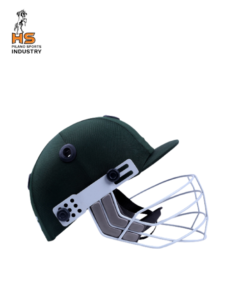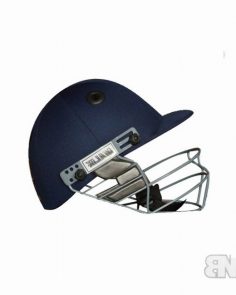
Helmets
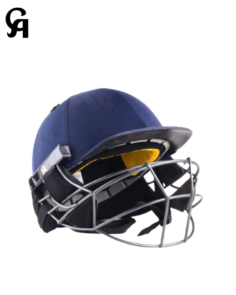
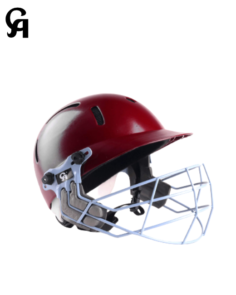
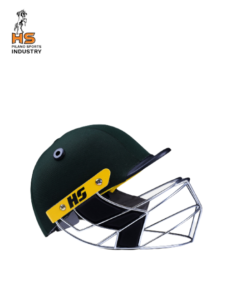
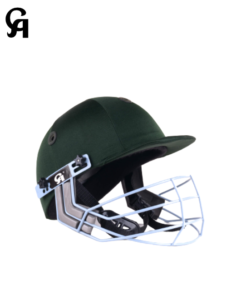
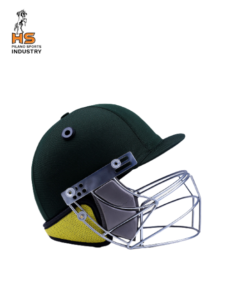
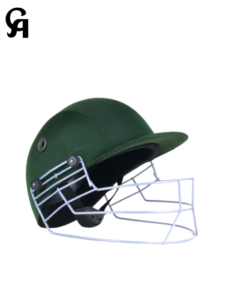
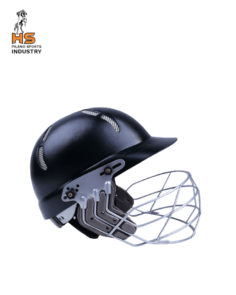
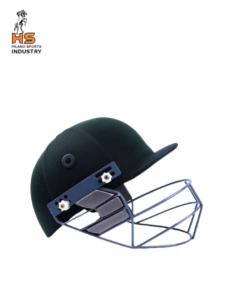
Discover the best 2026 cricket helmets online for junior and senior players, including helmets for wicket keepers, batsmen, and close fielders at Cricket Closet. Our range offers top-quality helmets designed for comfort, protection, and style. Shop now for premium cricket helmets that provide superior protection and ensure you’re always game-ready!
- Helmets
MB Malik Gladiator Cricket Helmet
GBP 10.00 This product has multiple variants. The options may be chosen on the product page
Cricket Helmets BSI-Standard Protection for Batters and Wicket Keepers
A cricket helmet is not optional equipment. At club level, facing a fast bowler at 70+ mph with inadequate or ill-fitting head protection is a genuine medical risk. Cricket Closet stocks helmets from CA Sports and HS Cricket manufactured to recognized impact resistance standards for senior players, junior cricketers, and wicket keepers across Pakistan, the USA, UK, Canada, and Australia.
Every helmet in our range is listed with full shell material specification, grille type, padding density, weight, and fit system details. We do not stock helmets we cannot confirm the safety specifications of.
What Safety Standards Should a Cricket Helmet Meet?
The benchmark safety standard for cricket helmets globally is the BSI Kitemark (BS 7928:2013+A1:2019), developed by the British Standards Institution. This standard specifies minimum requirements for:
- Shell impact resistance (resistance to ball impact at defined speeds)
- Grille strength (resistance to ball penetration between bars)
- Rear protective coverage
- Fit system retention under impact
In 2016, following high-profile injuries in professional cricket, the England and Wales Cricket Board (ECB) mandated that all recreational and professional players use helmets meeting this standard. Cricket Australia and the ICC have aligned guidance.
What this means for buyers: Always verify that a helmet’s product listing confirms compliance with BS 7928. At Cricket Closet, we list this information on each product page. A helmet without confirmed standard compliance regardless of brand name is not adequate for facing hard ball deliveries.
Steel Grille vs. Titanium Grille Which Is Right for You?
Grille material is the most misunderstood specification in helmet selection. Here’s the functional breakdown:
Steel grilles are heavier (typically 180–220g for the grille alone), more impact-resistant per unit of thickness, and less expensive to manufacture. For club cricketers, recreational players, and juniors, steel grilles represent the correct cost-performance balance. They do not corrode under normal use and maintain shape after impact.
Titanium grilles achieve the same or better impact resistance at 30–40% lower weight than steel equivalents. The weight reduction matters practically; a heavier grille accelerates neck fatigue during long innings, particularly for batters who play in hot conditions (Pakistan, Australia). Professional and advanced club players typically choose titanium for this reason. The price premium is real; expect to pay 25–50% more for an equivalent titanium-grille model versus steel.
The visibility myth: There is no meaningful visibility difference between steel and titanium grilles of the same bar spacing. Bar spacing is what determines visibility, not material. If visibility is a concern, compare bar spacing specifications across models.
How to Correctly Size and Fit a Cricket Helmet
An incorrectly fitted helmet is dangerous. A helmet that shifts under impact provides compromised protection. To size correctly:
- Measure head circumference at the widest point (approximately 2.5cm above the eyebrows) using a flexible tape measure.
- Match to size chart: Small (52–54cm) | Medium (54–57cm) | Large (57–60cm) | XL (60–63cm) specific measurements vary by brand; always check the individual size chart on the product page.
- Check the fit: The helmet should sit level, approximately two finger-widths above the eyebrow. It should not tilt forward, backward, or laterally. Shake your head and it should not move. The cradle adjustment system should be tightened until secure without pressure points.
- Check grille clearance: There should be a minimum gap between grille and face typically 20–25mm. The ball must not be able to contact the face through grille deflection.
Helmet fit should be re-checked at the start of each season. Foam lining compresses over time and reduces retention effectiveness.