Cricket Closet

FREE SHIPPING WORLDWIDE - FAST DELIVERY              FREE SHIPPING WORLDWIDE - FAST DELIVERY              FREE SHIPPING WORLDWIDE - FAST DELIVERY              FREE SHIPPING WORLDWIDE - FAST DELIVERY              FREE SHIPPING WORLDWIDE - FAST DELIVERY              FREE SHIPPING WORLDWIDE - FAST DELIVERY
Premium Cricket Gear Shipped Worldwide!

Balls

Shop high-quality cricket hard balls at Cricket Closet, crafted for unmatched swing, seam, and durability. Made to meet the highest standards, our professional cricket balls are ideal for matches and practice sessions. We stock top-rated options from renowned brands, ensuring players get reliable and long-lasting performance.

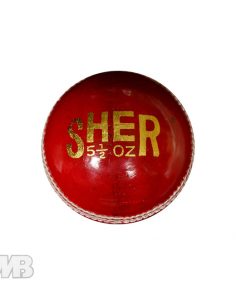
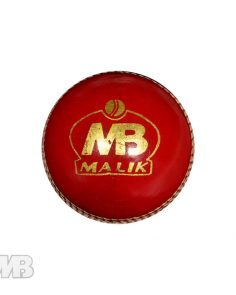
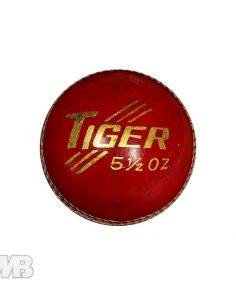
Cricket Balls Match Leather, Practice, and Soft Ball for Every Format

The cricket ball determines bowling options, pitch strategy, and game outcome more than any other piece of equipment. A ball that loses shape early, has an uneven seam, or doesn’t swing eliminates half the bowling options before the match starts. Cricket Closet sources match balls, practice balls, and soft balls directly from Sialkot manufacturers the same production base supplying professional domestic cricket across Pakistan with full specification listings for every product.

Leather Cricket Balls What Determines Match Quality

A match-grade cricket ball is defined by four technical characteristics:

  1. Leather quality and treatment: Premium match balls use hand-selected calf leather, chrome-tanned to achieve consistent hardness (approximately 50–55 Shore A hardness when new). Lower-grade leather softens unevenly, causing early loss of shape and reducing swing potential.
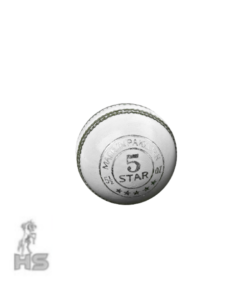
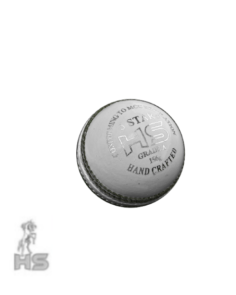
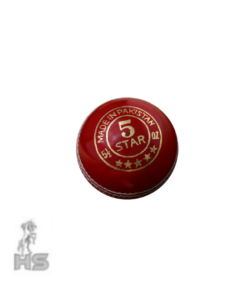
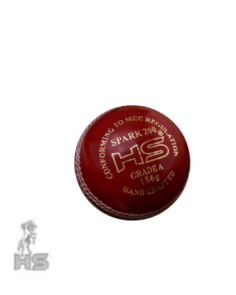
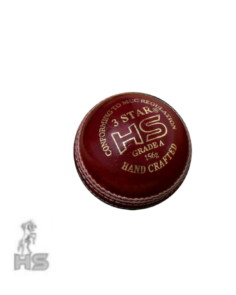
  2. Seam construction: Regulation seams are raised, machine-stitched with 6 rows of stitching on the primary seam and 2 internal seams creating the quarter-seam. Seam height (typically 1.2–1.5mm above the leather surface) determines the bowler’s ability to generate seam movement. Hand-stitched seams from Sialkot manufacturers (Ihsan, CA, HS) maintain consistent seam height longer than machine-stitched alternatives.
  3. Core construction: A standard cricket ball has a cork-and-string core providing the weight (155.9–163g for senior balls) and the impact hardness required for pitching and seaming. Core density affects bounce consistency on different surfaces.
  4. Half-halves alignment: The two hemispheres must be perfectly symmetrical. Asymmetric joining creates wobble in flight, eliminating conventional swing as a bowling option.

Ball colors and their applications:

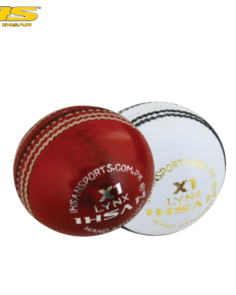
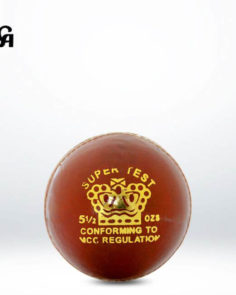
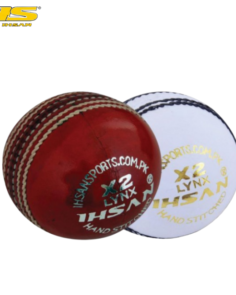
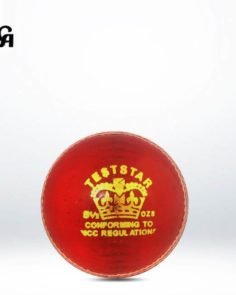
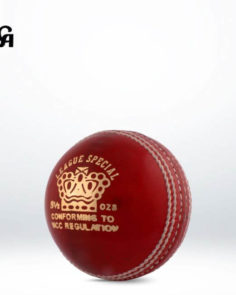
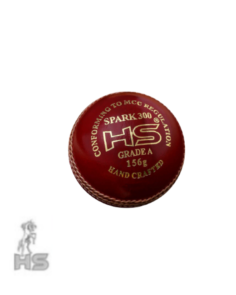
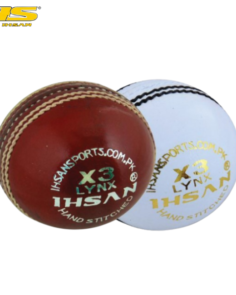
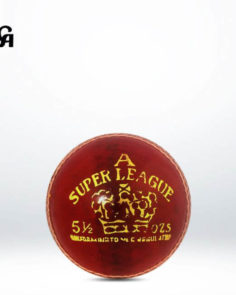
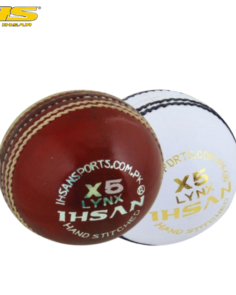
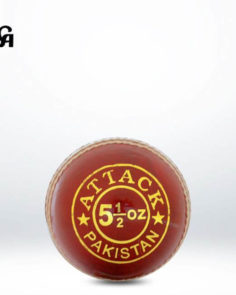
  • Red: Multi-day, club, first-class, and Test cricket. Red dye combined with specific lacquers allows bowlers to maintain one side’s shine for reverse swing through 30–50 overs.
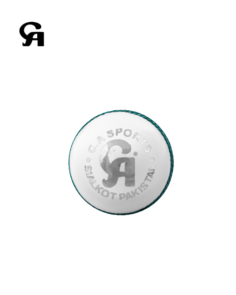
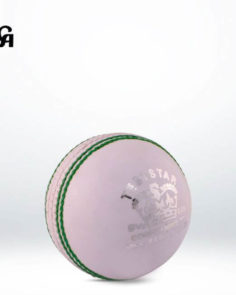
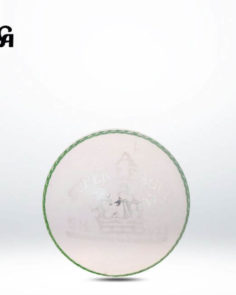
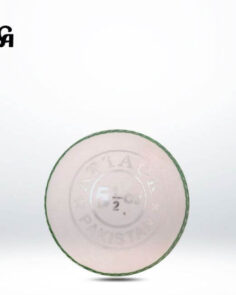
  • White: Limited-overs cricket (T20, ODI, List A). White balls scuff and discolor faster than red, which is why two balls are used in professional 50-over matches.
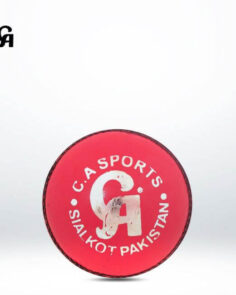
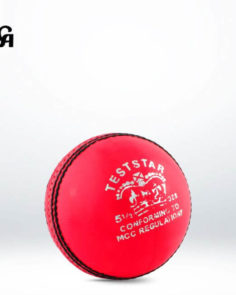
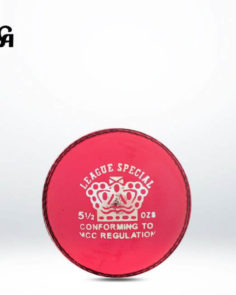
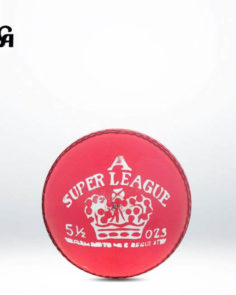
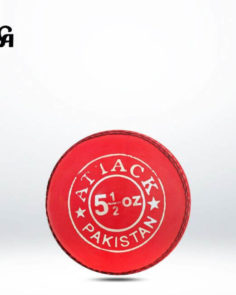
  • Pink: Day-night cricket under floodlights. Pink dye provides visibility under artificial light. Pink balls used in Test cricket (Dukes, Kookaburra) behave differently to red they tend to swing more in the first 25 overs under specific atmospheric conditions.

Practice Balls, Bowling Machine Balls, and Soft Balls Choosing by Use Case

Practice/net balls: Designed for high-volume use. Construction uses harder-compacted cork cores and thicker leather to withstand repeated machine impact and throwdowns. Match balls deteriorate rapidly in net sessions purpose-built practice balls are significantly more cost-effective for training.

Bowling machine balls: Specialized construction with reinforced seam stitching that withstands the friction generated by bowling machine rubber wheels. Standard leather balls, even practice grade, can be split by bowling machine use within a single session. Always verify a ball is machine-suitable before use.

Tape ball: Pakistan’s indigenous street cricket format and one exported globally through diaspora communities in the UAE, UK, USA, and Canada. Tape ball cricket uses a standard tennis ball wrapped in electrical tape to create a harder, faster ball that generates swing on smooth surfaces. We stock purpose-made tape balls in multiple colors for recreational use.

Soft/tennis balls: Entry-level and junior training. Suitable for beginners learning basic batting and bowling techniques before transitioning to leather ball cricket.

Dukes (UK) balls swing longer for Tests in England/West Indies. In Australia, South Africa, and New Zealand, Kookabura balls take to reverse swing. The club balls in Sialkot and SG (India) are best for domestic and recreational cricket.
A leather match ball will normally be replaced after 80 overs in professional club cricket on prepared ground according to ICC regulations. Club balls are more quickly worn out on rough or mat surfaces, typically replaced after 25-40 overs in games. Practice balls are changed due to wear or lack of effectiveness and are not counted.
Conventional swing is when the ball's seam is 20–45 degrees towards the stumps, allowing air to flow differently around the shiny and rough sides of the ball, thus making it move late in flight. Its strength and uniformity are dependent on a high-quality leather seam and a symmetric core. Bowlers are able to raise their standard and achieve consistency throughout an innings by using match-grade balls from reputed Sialkot manufacturers.
Sialkot city is the biggest centre in the world for manufacturing cricket balls, where the cricket balls manufactured by CA Sports, HS Cricket, and Ihsan are up to standard in the cricket matches. Not used for Test and first-class cricket, these balls are used for club, school, or recreational cricket in the UK, Australia, the USA, and Canada. They are durable and perform as well as professionally certified match balls, but at a much lower price.
Scroll to Top